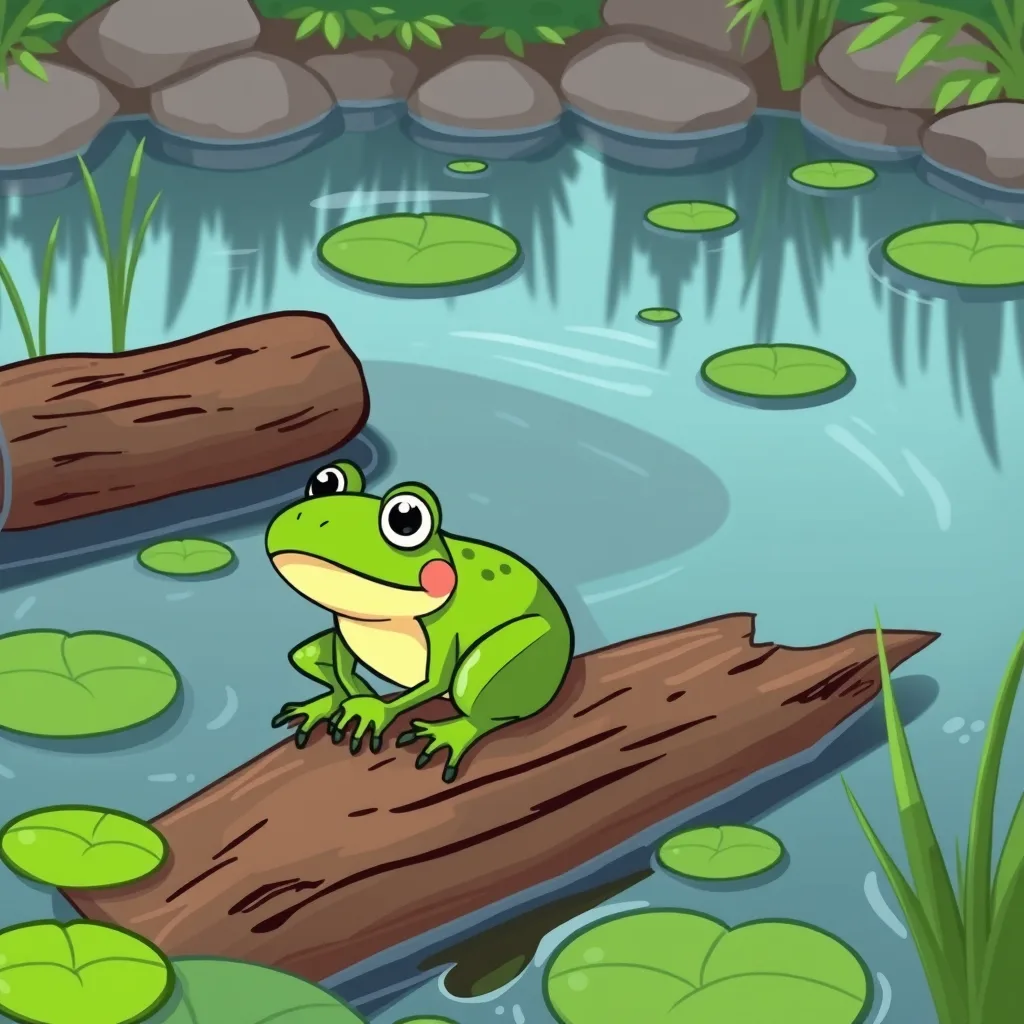
Frogs are some of the most amazing and adaptable creatures on Earth! With their incredible jumping abilities, unique life cycles, and surprising talents, frogs have been hopping around our planet for millions of years. Whether you're a student, teacher, or just someone who loves learning about nature's coolest animals, get ready to leap into the fascinating world of frogs!
Filling downtime in class? Get paid to be in the classroom — HelloSubs hires subs on a schedule you set. See substitute teacher jobs.
Where Do Frogs Live?
Frogs are found on every continent except Antarctica! These adaptable amphibians have made homes in some pretty amazing places.
- Most frogs live near water sources like ponds, lakes, rivers, and streams.
- Some frogs live in rainforests, spending their entire lives in trees.
- Desert frogs can survive in dry climates by burrowing underground.
- There are over 7,000 different species of frogs worldwide!
- The wood frog can actually freeze solid in winter and thaw out in spring, perfectly fine.
"If you see a frog near water, it's probably not just visiting—it's living its best amphibian life!"
What Do Frogs Eat?
Frogs are carnivores, which means they only eat other animals—but they're not picky eaters!
- Their favorite foods are insects like flies, mosquitoes, beetles, and moths.
- Larger frogs will eat worms, spiders, snails, and even small fish.
- Big frogs like bullfrogs can eat mice, small birds, and other frogs!
- Frogs use their sticky tongues to catch prey—some tongues are longer than their entire body.
- They swallow their food whole because they can't chew.
How Do Frogs Breathe?
Frogs have a superpower when it comes to breathing—they can do it in multiple ways!
- Adult frogs breathe through their lungs, just like humans.
- They also breathe through their skin—that's why their skin is always moist.
- Frogs can absorb oxygen from water through their skin when swimming.
- Baby frogs (tadpoles) breathe through gills like fish.
"A frog's skin is like a built-in snorkel—it helps them breathe underwater!"
What Is the Frog Life Cycle?
Frogs go through an amazing transformation called metamorphosis—it's like nature's magic trick!
- Stage 1: Eggs - Frogs lay jelly-like eggs in water, sometimes thousands at once.
- Stage 2: Tadpoles - Baby frogs hatch as tadpoles with tails and gills, looking more like fish.
- Stage 3: Froglets - Tadpoles grow legs and lungs while their tails shrink.
- Stage 4: Adult Frogs - Fully grown frogs can live on land and in water.
- This whole process takes about 12-16 weeks for most frogs.
Why Do Frogs Croak?
Frog croaking isn't just noise—it's frog communication!
- Male frogs croak to attract female frogs during mating season.
- Each species has its own unique croak—like a frog fingerprint.
- Frogs also croak to mark their territory and warn other frogs to stay away.
- The sound comes from their vocal sacs, which inflate like balloons.
- Some frogs are so loud they can be heard over a mile away!
How High Can Frogs Jump?
Frogs are the Olympic athletes of the animal kingdom when it comes to jumping!
- Most frogs can jump 20 times their own body length.
- That's like a human jumping 100 feet in a single leap!
- The rocket frog can jump 50 times its body length.
- Their powerful hind legs act like springs to launch them through the air.
- Frogs use jumping to escape predators and catch food.
Cool and Weird Frog Fun Facts
- The poison dart frog is so toxic that one frog could kill 10 adult humans!
- Frogs drink water through their skin—they don't need to use their mouths.
- The Goliath frog is the world's largest frog, weighing up to 7 pounds.
- The Paedophryne amauensis is the world's smallest frog—smaller than a dime!
- Frogs have been around for over 200 million years—they lived with dinosaurs.
- Some frogs can change colors like chameleons to blend in with their surroundings.
- Frogs close their eyes when they swallow to help push food down their throats.
- The glass frog has transparent skin—you can see its organs!
- Frogs shed their skin about once a week and then eat it for nutrients.
- Some frogs can survive being frozen solid and thaw out perfectly fine.
- Frogs have excellent night vision and can see in color even in low light.
- The Darwin's frog dad carries babies in his vocal sac until they're ready to hop out.
- Frogs can't turn their heads—they have to move their whole body to look around.
- Some frogs glow in the dark under ultraviolet light.
- Frogs have three eyelids—one is transparent for underwater vision.
Frogs may seem simple, but they're incredible, adaptable, and full of surprises. Whether they're leaping through the air, transforming from tadpoles, or croaking their hearts out, these amazing amphibians show us just how creative nature can be.
"Next time you hear a frog croaking, remember: it's not just making noise—it's singing the song of survival!"