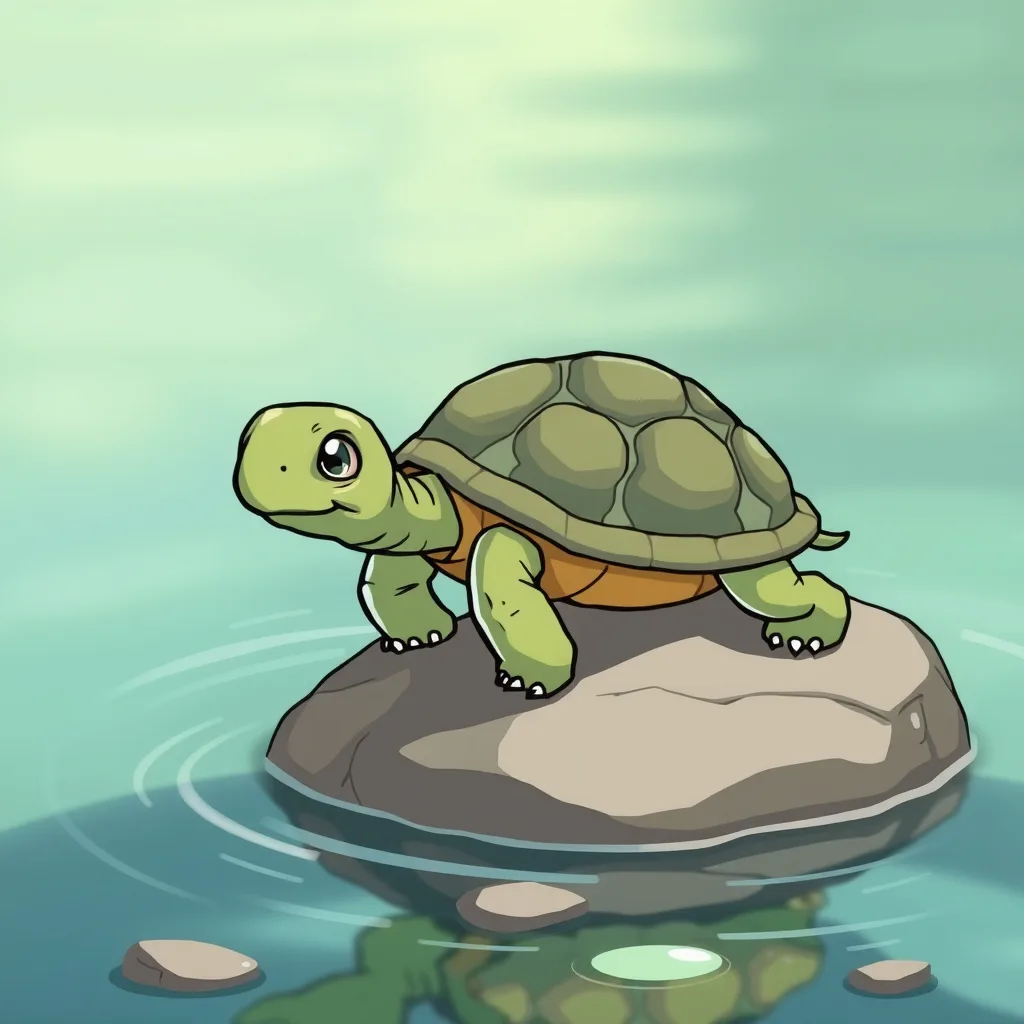
Turtles are some of the most amazing and ancient creatures on Earth! With their protective shells, slow and steady pace, and incredible longevity, turtles have fascinated people for thousands of years. Whether you're curious about sea turtle facts, land turtles, or the difference between turtles and tortoises, get ready to dive into the wonderful world of these shelled superstars!
Using this in the classroom? HelloSubs pays substitute teachers weekly with a schedule you set — browse substitute teacher jobs near you.
What Makes a Turtle a Turtle?
Turtles are reptiles that belong to a group called Testudines. What makes them special? Their shells!
- Built-in Protection: A turtle's shell is actually part of its skeleton, made of over 50 bones fused together.
- Two-Part Shell: The top part is called the carapace, and the bottom part is called the plastron.
- Ancient Design: Turtles have looked basically the same for over 200 million years—they lived alongside dinosaurs!
- No Teeth: Instead of teeth, turtles have sharp, beak-like mouths perfect for their diet.
"Turtles are older than mammals, birds, snakes, and lizards—they're true survivors!"
How Long Do Turtles Live?
One of the most incredible things about turtles is their amazing lifespan!
- Pet Turtles: Most pet turtles live 15-40 years with proper care.
- Sea Turtles: Can live 50-100 years in the wild.
- Giant Tortoises: Some can live over 150 years—longer than any human!
- Record Holder: The oldest known turtle was a giant tortoise named Jonathan, who lived to be over 190 years old.
What Do Turtles Eat?
Turtle diets vary depending on where they live and what species they are:
- Sea Turtles: Some eat jellyfish, others munch on sea grass and algae.
- Land Turtles: Enjoy fruits, vegetables, insects, and small animals.
- Snapping Turtles: Are omnivores that eat fish, frogs, plants, and even small birds.
- Box Turtles: Love berries, mushrooms, earthworms, and slugs.
"Green sea turtles are vegetarians as adults, but they eat meat when they're babies!"
How Big Do Turtles Get?
Turtles come in all sizes, from tiny to enormous!
- Smallest: The speckled padloper tortoise is only about 3 inches long.
- Largest: Leatherback sea turtles can grow up to 7 feet long and weigh over 1,000 pounds!
- Giant Tortoises: Can weigh up to 500 pounds and live on islands like the Galápagos.
- Most Common Pet Size: Red-eared sliders typically grow to 8-12 inches.
Where Do Turtles Live?
Turtles can be found almost everywhere on Earth!
- Oceans: Sea turtles swim in warm waters around the world.
- Freshwater: Ponds, lakes, rivers, and streams are home to many turtle species.
- Land: Box turtles and tortoises live in forests, deserts, and grasslands.
- Both: Some turtles, like painted turtles, spend time in water and on land.
Can Turtles Really Hide in Their Shells?
This depends on the type of turtle!
- Box Turtles: Can completely close their shells like a box—hence the name!
- Sea Turtles: Cannot retract their heads or flippers into their shells.
- Snapping Turtles: Have small shells and can't hide inside them.
- Most Land Turtles: Can pull their heads and legs inside for protection.
Amazing Turtle Superpowers
Turtles have some incredible abilities that might surprise you:
- Navigation Masters: Sea turtles can travel thousands of miles and return to the exact beach where they were born.
- Breath Holders: Some turtles can hold their breath for hours underwater.
- Temperature Control: A turtle's gender is determined by the temperature of the sand where their eggs are buried!
- Magnetic Compass: Sea turtles use Earth's magnetic field to navigate the oceans.
- Slow and Steady: While they're not fast on land, some sea turtles can swim up to 22 mph.
Fun Turtle Facts for Kids
- A group of turtles is called a "bale."
- Turtles don't have vocal cords, but they can make sounds by pushing air through their throats.
- The largest turtle ever found was an ancient sea turtle that was 12 feet long.
- Turtles have been to space! The Soviet Union sent turtles around the moon in 1968.
- A turtle's shell has nerve endings, so they can feel when you touch it.
- Baby sea turtles use moonlight to find the ocean after hatching.
- Some turtles hibernate underwater in the mud during winter.
- Turtles have excellent color vision and can see into the ultraviolet range.
- The word "turtle" comes from the French word "tortue."
"Turtles have survived ice ages, asteroid impacts, and millions of years of change—talk about being tough!"
Turtles are truly remarkable creatures that have mastered the art of survival. From their protective shells to their incredible lifespans, these ancient reptiles continue to amaze scientists and animal lovers alike. Next time you see a turtle, remember that you're looking at one of nature's greatest success stories—a living link to the age of dinosaurs!
Ready to discover more animal fun facts for kids?
- Fun facts about Butterflies
- Fun facts about Polar Bears
- Fun facts about Koalas
- Fun facts about Kangaroos
- Fun facts about Komodo Dragons
- Fun facts about Cheetahs
- Fun Facts about Elephants
- Fun facts about Quokkas
- Fun facts about Hedgehogs
- Fun facts about Dogs
- Fun facts about Cats
- Fun facts about Axolotls
- Fun Facts about the Bumpy Snailfish
- Fun Facts about Guinea Pigs
- Fun Facts about Jellyfish & Immortal Jellyfish