Use this in the classroom — then get paid for it. HelloSubs hires substitute teachers with flexible schedules and weekly direct deposit. Browse substitute teacher jobs near me.
Oxymorons are one of those delightful language quirks that can make both students and teachers pause, chuckle, and think. Whether you’re teaching ELA, leading a vocabulary lesson, or just looking for a quick classroom brain teaser, oxymorons are a great way to introduce nuance and wordplay into your day.
Let’s explore what oxymorons are, how they differ from paradoxes, and review a wide range of fun examples your students will love.
What is the defintion of oxymoron?
An oxymoron is a figure of speech where two seemingly contradictory or opposite words are placed next to each other to create a new, often poetic or ironic, meaning.
It sounds confusing, but you hear them all the time:
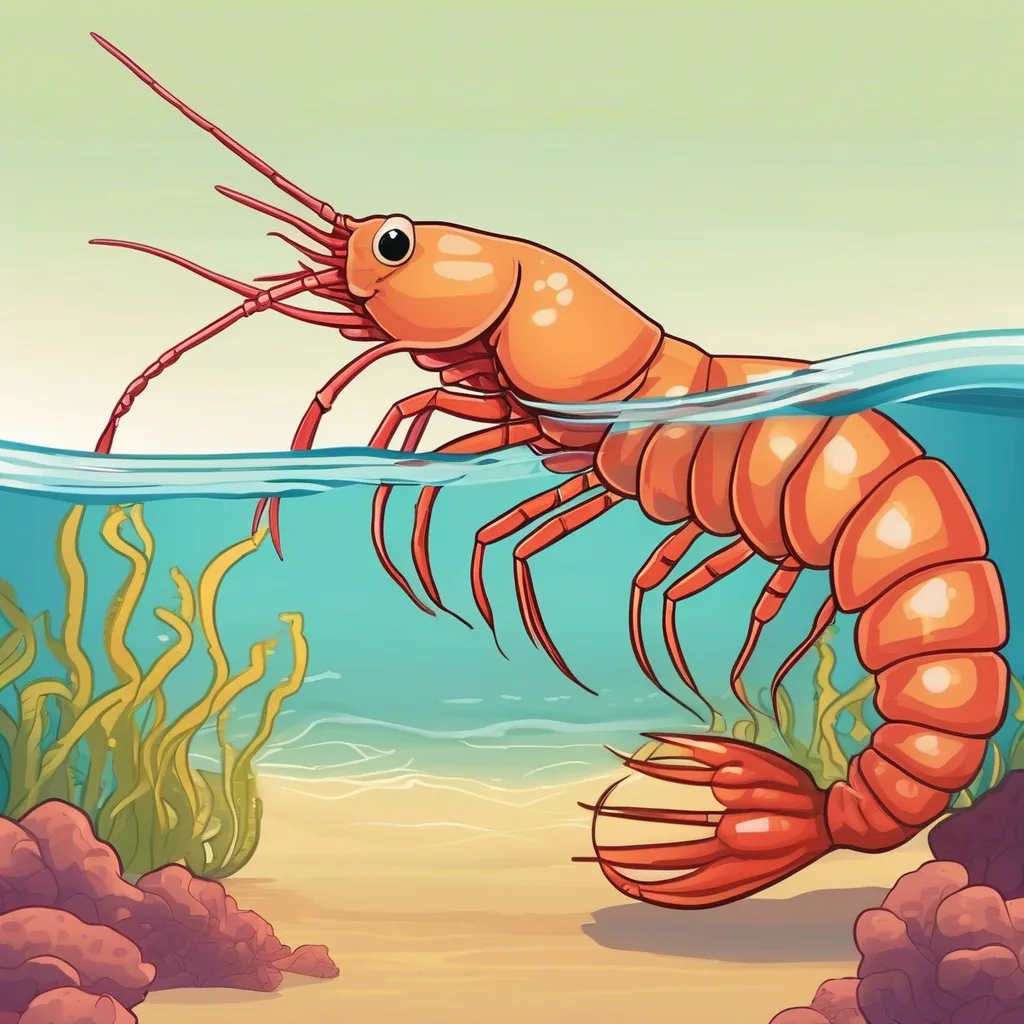
- “Jumbo shrimp”
- “Bittersweet”
- “Only choice”
- “Living dead”
Oxymorons are more than just clever phrases — they reflect real-life situations where opposites coexist. They’re especially useful in literature, songwriting, and everyday speech to express complex ideas.
Is an oxymoron a paradox?
Not quite — though the two are closely related.
A paradox is a broader concept: a full sentence or idea that seems contradictory but reveals a deeper truth. For example:
“This is the beginning of the end.”
An oxymoron is a two-word (sometimes three-word) phrase with opposite meanings built right in:
“Deafening silence”
Here’s a quick comparison:
What are examples of oxymorons?
There are dozens of oxymorons that you and your students may hear every day without even noticing. Here’s a big list to help spark discussion or inspire writing exercises:
Common everyday oxymoron examples
- Awfully good
- Pretty ugly
- Deafening silence
- Clearly misunderstood
- Alone together
- Virtual reality
- Passive-aggressive
- Seriously funny
- Living dead
- Small crowd
- Original copy
- Act naturally
- Open secret
- Old news
- Exact estimate
Literary and poetic oxymoron examples
- “Sweet sorrow” (Shakespeare, Romeo and Juliet)
- “Cold fire”
- “Wise fool”
- “I must be cruel only to be kind” (Shakespeare, Hamlet)
- “The sound of silence” (Simon & Garfunkel lyric)
- “Dark light”
Funny and ironic oxymoron examples
- Working vacation
- Tight slacks
- Same difference
- Definite maybe
- Pretty tough
- Larger half
- Unbiased opinion
- Constant change
- Freezer burn
- Almost done
- Passive resistance
- Sanitary landfill
Oxymorons in tech and culture examples
- Virtual reality
- Exact replica
- Artificial intelligence
- Social distancing
- User-friendly error
- Old news
- Jumbo shrimp
- Civil war
Classroom activity idea:
Oxymoron Match-Up Game
Create a worksheet with a list of adjectives in one column and a list of nouns in another. Ask students to mix and match until they create oxymorons. Example:
- “Bittersweet” from bitter + sweet
- “Living dead” from living + dead
Or have them create their own from scratch and explain what the new phrase might mean.
Oxymorons are a fantastic entry point into deeper language concepts like irony, contrast, and figurative speech. Whether you’re teaching grammar, creative writing, or just sprinkling in a mini-lesson, they’re a great way to stretch student thinking — and get a few laughs while you’re at it.
Ready for more writing tips and language concepts?
- What is an Idiom?
- What is a Simile?
- What is Alliteration?
- What is Personification?
- What is Onomatopoeia?
- What is Juxtaposition?
- What is Hyperbole?
- What is Foreshadowing?
- What is Irony?
- What are Palindromes?
- 120+ Synonym Examples
- Then vs. Than Examples
- Affect vs. Effect Examples
- Your vs. You're Examples
Looking for flexible classroom work? Explore substitute teacher jobs near me — you pick the days, HelloSubs handles the rest.